The Ripple Effect of Transaction Methods on Reward Systems in Evaluated Mobile Casino Environments
Lars Becker · Nov 6, 2026
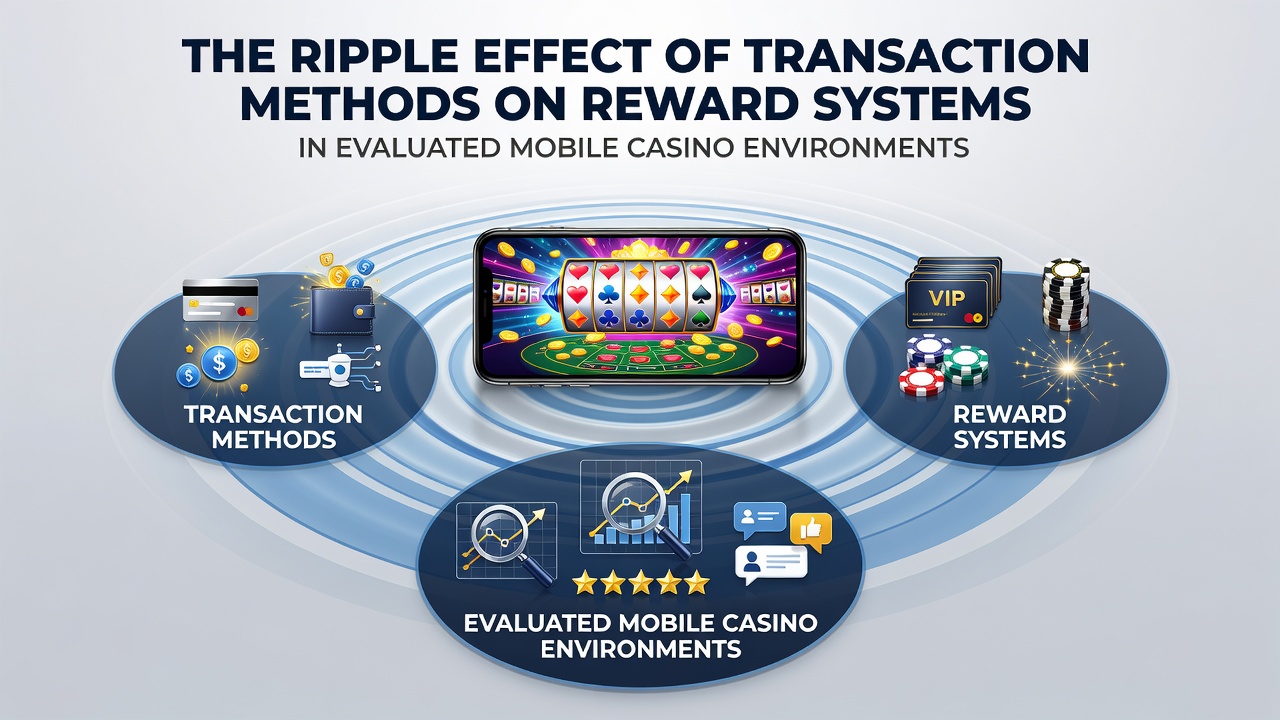
The Ripple Effect of Transaction Methods on Reward Systems in Evaluated Mobile Casino Environments
Transaction methods in evaluated mobile casino environments create direct connections to reward systems through processing speeds, verification protocols, and integration standards that certification bodies review on a regular basis, and these connections shape how promotional credits reach player accounts without delays or compliance gaps. Evaluators examine each payment channel for its technical compatibility with bonus engines, which means credit card deposits often trigger faster reward releases compared to slower bank transfers that require additional settlement periods before credits activate.
Payment Channel Mechanics and Reward Activation
Digital wallets such as PayPal or Skrill establish shorter pathways to reward eligibility because their instant confirmation reduces the window between deposit and bonus code application, whereas cryptocurrency options introduce variable confirmation times that evaluators test against platform algorithms to ensure rewards do not activate prematurely or after regulatory cutoffs. Research from the European Gaming and Betting Association indicates that platforms using standardized API connections between payment processors and reward databases achieve activation rates above 95 percent within the first 60 seconds of a qualifying transaction, and this efficiency stems from pre-certified data flows that prevent mismatches between deposited amounts and credited bonuses.
Evaluators also track how transaction fees influence net deposit values that qualify for rewards, since some methods deduct charges before the amount reaches the gaming account while others absorb costs at the provider level. Those who've reviewed certification reports note that mobile environments with built-in fee calculators maintain consistent reward calculations across channels, and this consistency prevents disputes during periodic audits scheduled through 2026.
Security Protocols and Their Influence on Bonus Structures
Security evaluations require transaction methods to meet encryption and fraud detection thresholds before they connect to reward systems, which means methods passing multi-factor checks gain approval for larger bonus pools whereas less secure channels face restrictions on promotional participation. Data from independent testing labs shows that environments certified after November 2026 will incorporate real-time behavioral analytics that link payment velocity to reward limits, thereby capping rapid successive deposits that could otherwise unlock stacked bonuses without proper risk controls.
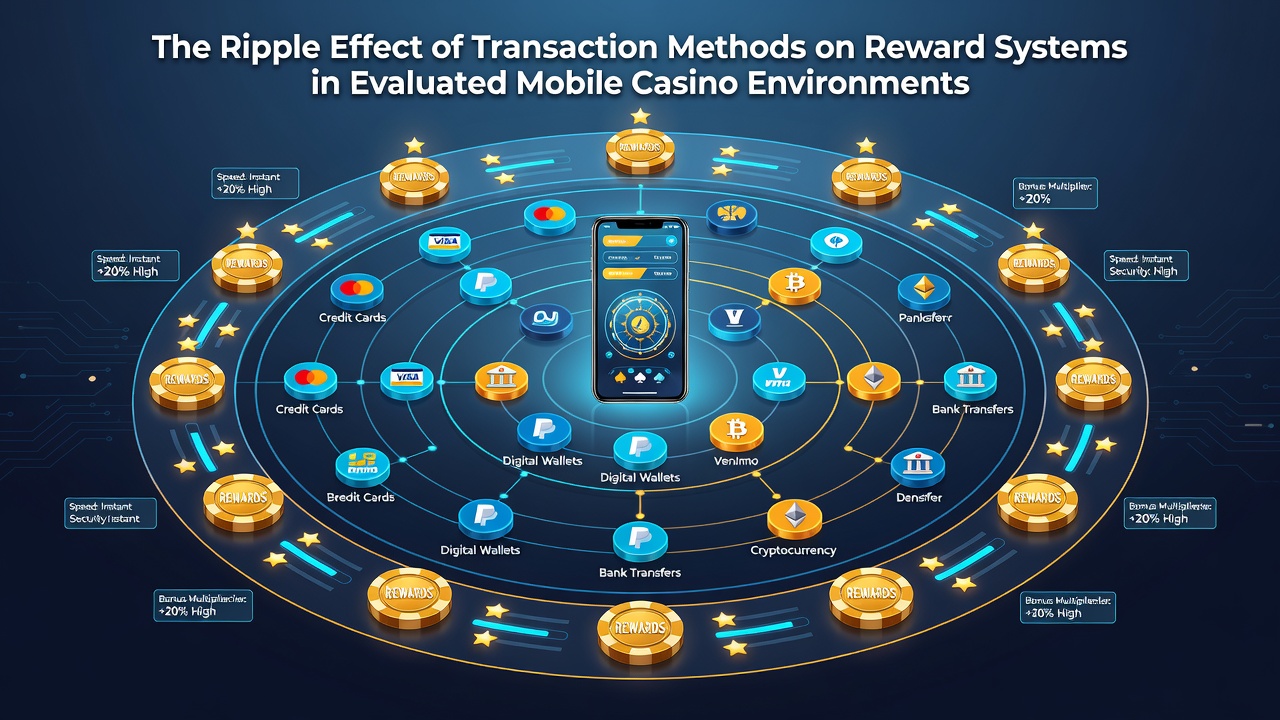
One study revealed that platforms incorporating these layered checks experienced a 22 percent reduction in bonus-related chargebacks over a 12-month evaluation cycle, and the reduction occurred because evaluators required transaction logs to feed directly into responsible play filters that monitor deposit patterns before rewards finalize. Observers note that this integration creates a feedback loop where flagged transactions delay reward activation until manual review completes, which protects both operators and users without halting legitimate play.
Regulatory Timelines and Cross-Platform Effects
Regulatory updates scheduled for late 2026 will require all evaluated mobile environments to document how each transaction method interacts with no-deposit and deposit-based rewards, and these requirements build on existing frameworks from bodies such as the Malta Gaming Authority that already mandate separate testing for payment-reward interfaces. Figures from industry reports reveal that environments adopting unified ledgers across mobile apps and desktop versions achieve faster compliance during audits because transaction histories remain synchronized regardless of device or payment channel used.
Take one certification process where evaluators discovered that certain e-wallet providers automatically applied currency conversion fees that altered the effective deposit amount for reward qualification, and the discovery led to updated display requirements that now appear before players confirm transactions. This adjustment demonstrates how small technical details in payment flows produce measurable changes in reward system behavior across entire platform ecosystems.
Data Integration and Long-Term Platform Adjustments
Evaluated environments maintain databases that record transaction method alongside reward outcomes, which allows operators to identify patterns such as higher reward uptake through instant methods versus delayed uptake through traditional banking routes. Academic sources including papers from the University of Nevada, Las Vegas gaming research center have documented these patterns in peer-reviewed analyses that track player cohorts over multiple quarters, and the analyses confirm that payment method selection correlates with reward redemption rates rather than with overall gaming volume.
What's interesting is how these correlations feed back into platform design when evaluators recommend adjustments to bonus structures based on transaction data collected during certification periods. Platforms then refine reward triggers to align with the most commonly used methods in their user base, which maintains fairness while supporting operational efficiency across evaluated markets.
Conclusion
Transaction methods continue to shape reward systems in evaluated mobile casino environments through verifiable technical and regulatory pathways that evolve with each new certification cycle. The connections established during evaluations determine activation timelines, eligibility thresholds, and protective filters that operate consistently across devices, and these mechanisms remain subject to ongoing review as standards advance into 2026 and beyond. Platforms that align payment processing with reward logic through documented, tested integrations sustain compliance and operational stability without introducing variability that could affect user accounts.