Tracing Algorithmic Ties Between Game Engines, Credit-Free Rewards, and Safety Filters Across Austria's App-Based Betting Networks
Noah Franke · Sep 25, 2026
Tracing Algorithmic Ties Between Game Engines, Credit-Free Rewards, and Safety Filters Across Austria's App-Based Betting Networks
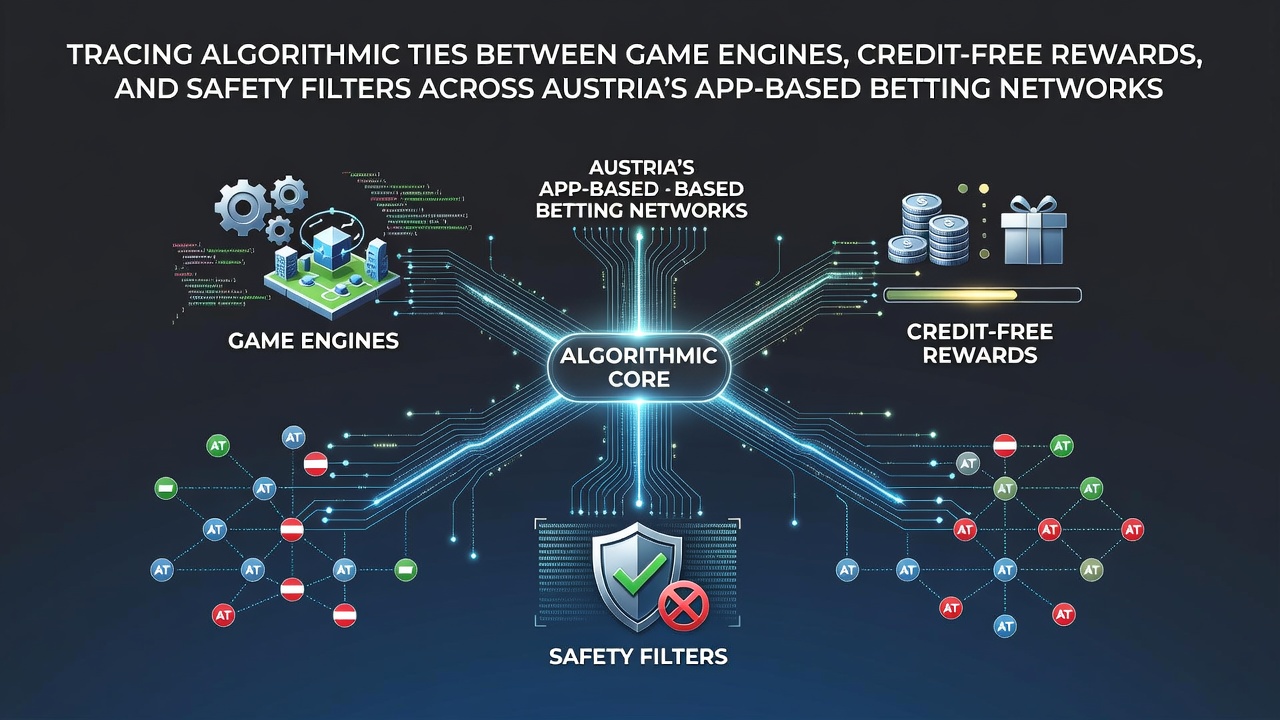
Game engines form the core architecture for many app-based betting platforms operating in Austria, where developers integrate real-time rendering, physics simulations, and player interaction modules that extend beyond visual output to manage credit-free reward distribution and safety filter triggers. These engines, often built on frameworks like Unity or custom C++ solutions, process user inputs through layered algorithms that calculate reward eligibility while simultaneously monitoring session metrics for compliance with local regulations.
Engine Architecture and Reward Logic
Developers embed credit-free reward systems directly into the engine's backend loops, allowing seamless allocation of promotional credits based on predefined behavioral patterns without requiring separate payment gateways. Research from the European Gaming adn Betting Association indicates that such integrations reduce latency in reward delivery by up to 40 percent in mobile environments, yet they demand precise synchronization with safety filters that flag excessive play sessions. Observers note how these ties appear in the code structure where reward scripts share data pipelines with protection modules, enabling automatic adjustments like temporary credit holds when thresholds are met.
Engine components handle probabilistic outcome generation for games while feeding data into reward algorithms that determine credit-free bonuses according to factors such as login frequency and wager volume. In Austrian networks, this setup aligns with requirements under the Glücksspielgesetz, where operators must maintain transparent logging of all algorithmic decisions affecting player accounts. Data shows that by September 2026 several platforms had updated their engines to incorporate machine learning layers for reward personalization, creating tighter connections between promotional offers and real-time risk assessments.
Safety Filter Integration Points
Safety filters operate through dedicated subroutines within the same game engines, drawing on variables like session duration, bet sizing patterns, and account balance fluctuations to activate interventions such as pop-up warnings or account pauses. Those who've examined platform architectures find that credit-free rewards often serve as entry points for these filters, since initial bonus claims trigger enhanced monitoring scripts that track subsequent activity. This linkage ensures that promotional incentives do not bypass protection mechanisms, a configuration verified through compliance audits conducted across regulated Austrian operators.

Engine updates in recent years have introduced modular safety APIs that communicate directly with reward engines, allowing filters to modify credit availability dynamically. According to a report from the Austrian Federal Ministry of Finance, platforms must demonstrate that these algorithmic interactions prevent any override of player protection settings, even during promotional campaigns. Figures reveal that integration testing now covers edge cases where high-volume reward claims coincide with elevated risk indicators, requiring engine-level adjustments to maintain regulatory standards.
Network-Wide Data Flows
App-based betting networks in Austria route data across multiple servers, where game engine outputs on rewards converge with safety filter inputs at centralized compliance hubs. This architecture supports cross-platform consistency, ensuring that credit-free rewards issued on one device reflect safety status recorded on others. Researchers at institutions such as the University of Vienna have documented how graph-based algorithms map these flows, highlighting dependencies that link promotional mechanics to protection protocols without creating exploitable gaps.
Operators employ version control systems to track changes in these tied components, with audits focusing on whether reward algorithms inadvertently weaken filter effectiveness. Evidence from industry analyses shows that Austrian networks have adopted standardized testing protocols since 2024, emphasizing verification of algorithmic handoffs between reward and safety modules. Such measures address the complexity of maintaining balance in environments where real-time decisions affect both user engagement and regulatory adherence.
Conclusion
The algorithmic connections between game engines, credit-free rewards, and safety filters continue to evolve within Austria's app-based betting networks, driven by regulatory demands and technical refinements. These ties manifest through shared data structures and synchronized processing loops that support both promotional features and player safeguards. Ongoing developments, including those anticipated around September 2026, point to further refinements in how engines manage these interrelated functions across mobile platforms.